Artificial Grass for Low-Maintenance Family Gardens in Wakefield: Installation and Long-Term Wear
Thinking about artificial grass in Wakefield? We explain what proper installation involves, what goes underneath, and how to decide if it suits your garden.

Artificial Grass in Wakefield: Getting the Groundwork Right
A lot of gardens across Wakefield and the surrounding areas have the same problem. The lawn looks reasonable in May, then by August it's patchy and worn, and by February it's a muddy strip the kids have churned to nothing. Real grass in heavy West Yorkshire clay needs a lot of things to go right. When they don't, it stops performing.
Artificial grass fixes that. Not because it's a shortcut, but because once it's laid properly, it doesn't care about the rain, the clay, the shade or the foot traffic. The finish holds. That's the point.
We install artificial grass across Wakefield, Huddersfield, Barnsley, Dewsbury, Batley, Penistone and the surrounding areas of West and South Yorkshire. Here's what the job actually involves, and what you need to know before you decide.
What Goes Underneath Artificial Grass: The Part That Decides Everything
Most people focus on the grass itself. The pile height, the colour, the feel underfoot. That all matters, but it's the preparation underneath that decides whether the finished lawn stays level, drains freely and lasts the way it should.
This is the sequence we follow:
1. Strip out the existing surface Everything comes up. Old turf, topsoil, any loose or organic material. You need to get down to a stable, compactable base. How deep we go depends on the ground conditions and what was there before, but we don't rush this stage.
2. Lay a compacted sub-base This is usually a layer of MOT Type 1 crushed stone, compacted firmly. It gives the whole surface something solid to sit on and, critically, it allows water to drain through and away. In Wakefield and across West Yorkshire, the soil is frequently clay-heavy. Clay doesn't drain. It holds water and moves with temperature and moisture changes. Without a proper sub-base, that movement works its way up into the surface above and you end up with an uneven lawn within a couple of years.
3. Weed membrane A geotextile membrane goes over the compacted stone. It stops any weed growth pushing up from below without blocking drainage. Skip this and you'll have weeds finding their way through the joins within a season.
4. Sharp sand or granite dust layer A thin, screeded layer goes on top of the membrane. This gives us the final level and a smooth, consistent surface to lay the grass onto. Getting this level is one of those details that separates a good job from a poor one. Any humps or hollows here will show in the finished surface.
5. The artificial grass itself Rolls are cut, laid and joined carefully. Joins need to be tight and run in the right direction relative to the pile. A visible seam is a sign the installer hasn't taken enough care at this stage. We don't leave until the edges are clean, the joins are invisible and the surface sits flat.
6. Kiln-dried sand infill Brushed into the pile, this adds weight, keeps the fibres standing upright and gives the surface a natural feel underfoot. On a lawn with heavy use, this makes a real difference to how it performs over time.
That's six stages before you'd even call the job done. Anyone quoting a quick turnaround without explaining the groundwork is cutting corners somewhere.
Is Artificial Grass Right for Your Wakefield Garden?
It suits some gardens very well. Others, less so. Here's an honest breakdown.
Where it works well:
- Gardens with heavy shade where real grass never establishes properly
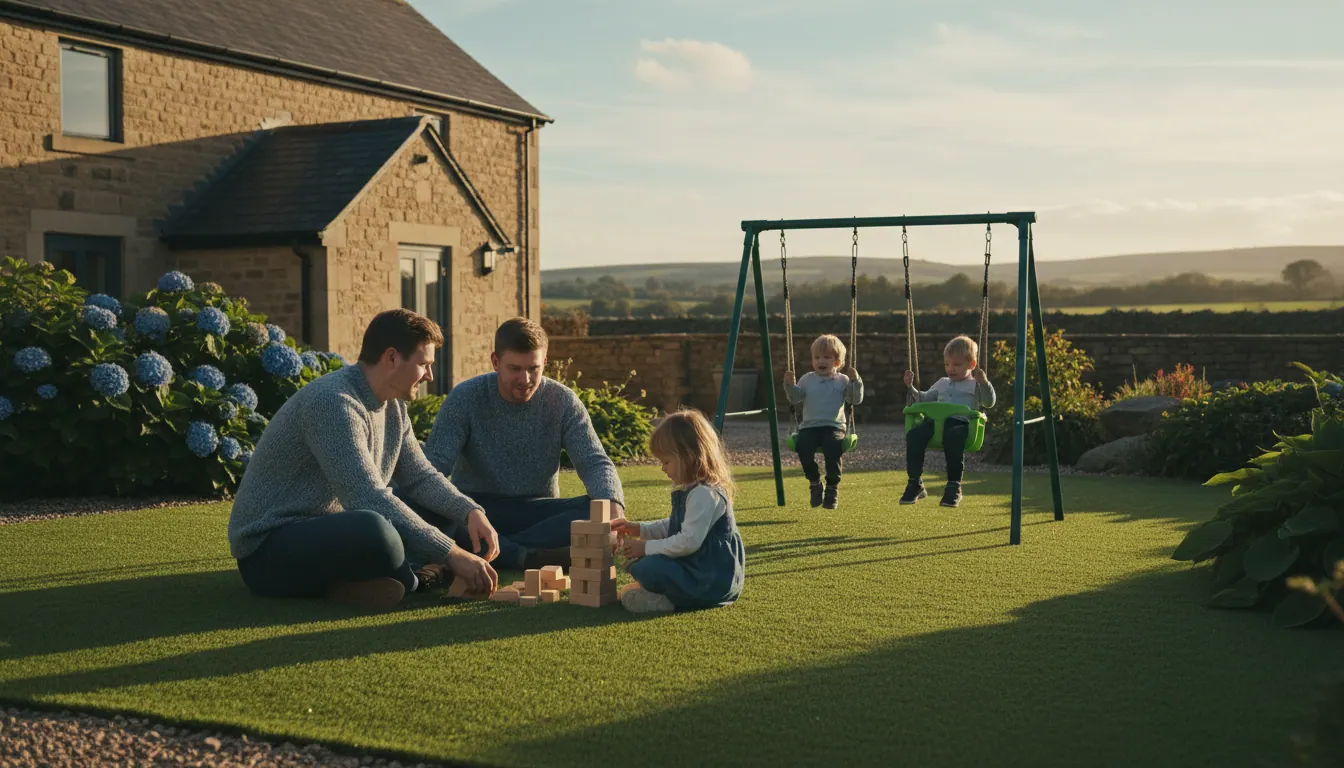
- Lawns with high foot traffic, especially where children play
- Sloping gardens where maintaining a real lawn is difficult
- Small enclosed yards with poor drainage
- Gardens where the homeowner wants a consistent, low-maintenance surface year-round
Where to think carefully:
- If you have a large, open garden with good drainage and light, real turf can be a strong option. We lay real turf too, and sometimes that's genuinely the better choice for the space.
- If you're planning to sell soon and your buyers are keen gardeners, preferences vary.
- Artificial grass gets warm in direct summer sun. In a south-facing Wakefield garden with no shade, that's worth factoring in.
We don't push one over the other. If you're weighing up the options, our article on artificial grass vs real turf in West Yorkshire covers the comparison properly.
The Downsides of Artificial Grass: What You Should Know
It would be easy to say artificial grass has no downsides. It does.
Heat retention. On a hot, sunny day, artificial grass holds warmth more than real grass does. In a sheltered south-facing garden, it can get noticeably warm underfoot in summer. For most West Yorkshire gardens, where full sun is not exactly guaranteed, this is rarely a significant problem. But it's worth knowing.
It doesn't absorb carbon or support biodiversity the way real grass does. If you have a large garden and environmental impact matters to you, that's a genuine consideration. Some homeowners choose to combine artificial grass in a high-traffic area with planted borders or raised beds elsewhere to balance it out.
It does need occasional maintenance. Not much, but it isn't zero effort. Leaves and debris need brushing off. The infill may need topping up over time. Occasional brushing keeps the pile upright and the surface looking its best.
It won't last forever. A well-installed artificial lawn with a quality product should give you many years of use. But it's not a permanent fixture in the way a stone patio is. At some point, it will need replacing.
None of these are reasons not to choose it. They're just things worth understanding before you commit. A good installer will tell you this upfront.
Artificial Grass Alongside Other Landscaping Work
In our experience, artificial grass rarely gets installed in isolation. Most gardens we work on in Wakefield and across the surrounding areas benefit from a wider rethink at the same time.
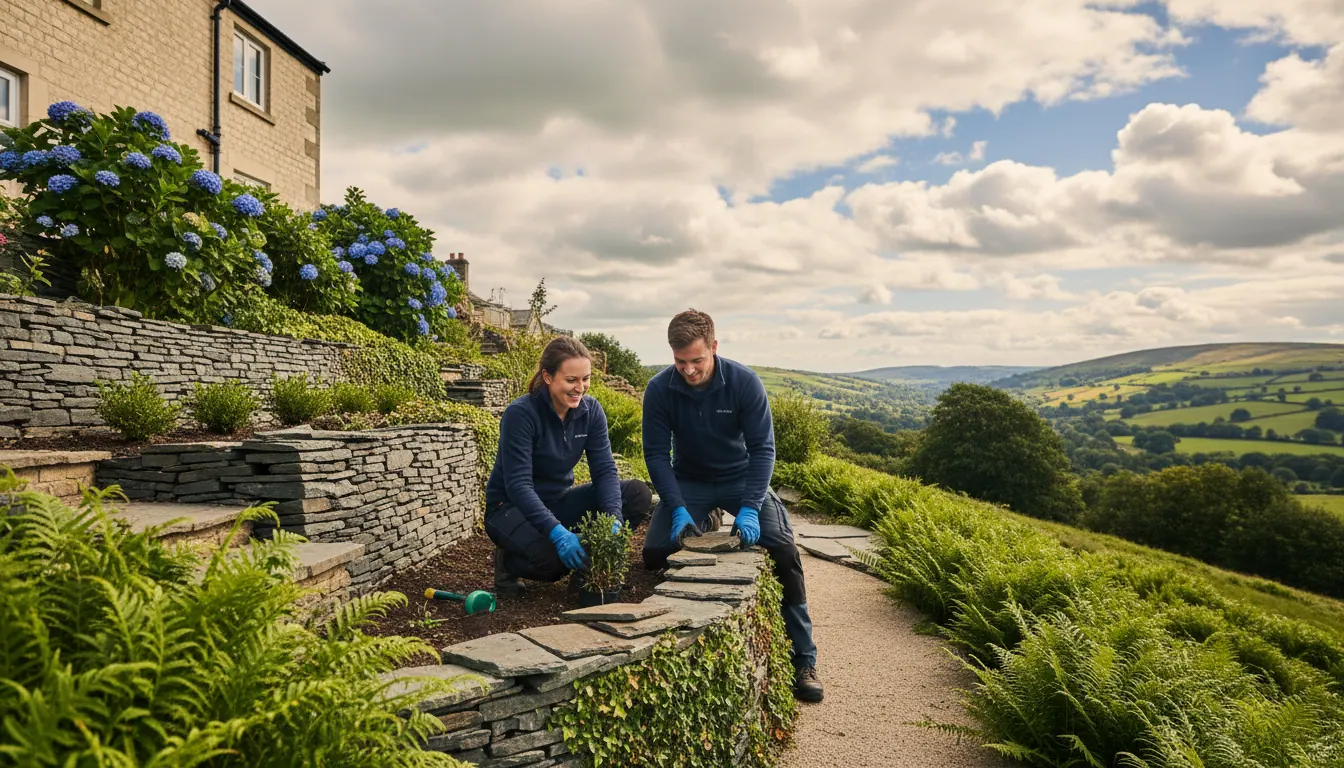
A sloping garden, for example, often needs levelling or terracing before any surface goes down. Laying artificial grass over an uneven slope without addressing the gradient first just means an uneven artificial lawn. We handle that groundwork as part of the job.
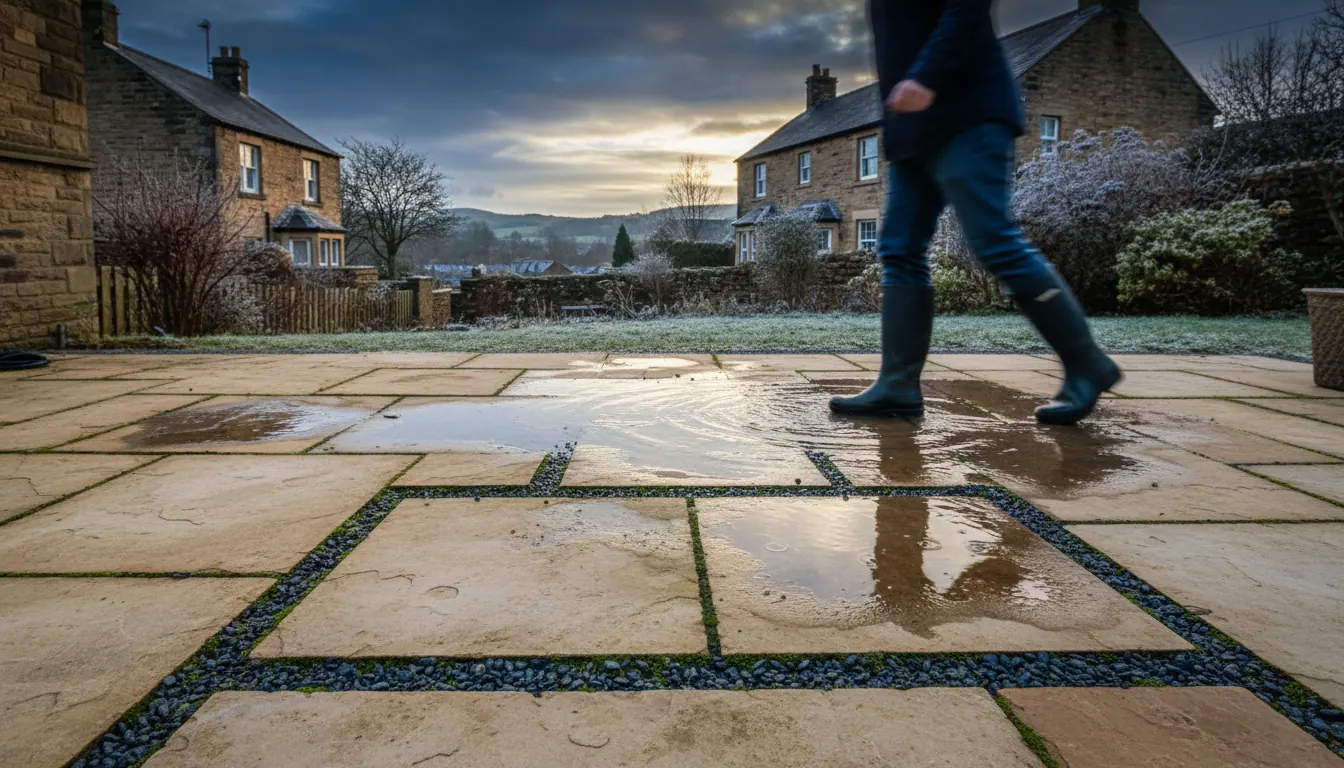
If you're adding a patio or seating area at the same time, we can integrate both surfaces cleanly. The junction between a paved area and artificial grass needs to be handled properly: the levels have to match, and the edging needs to be solid so the grass doesn't lift or separate over time.
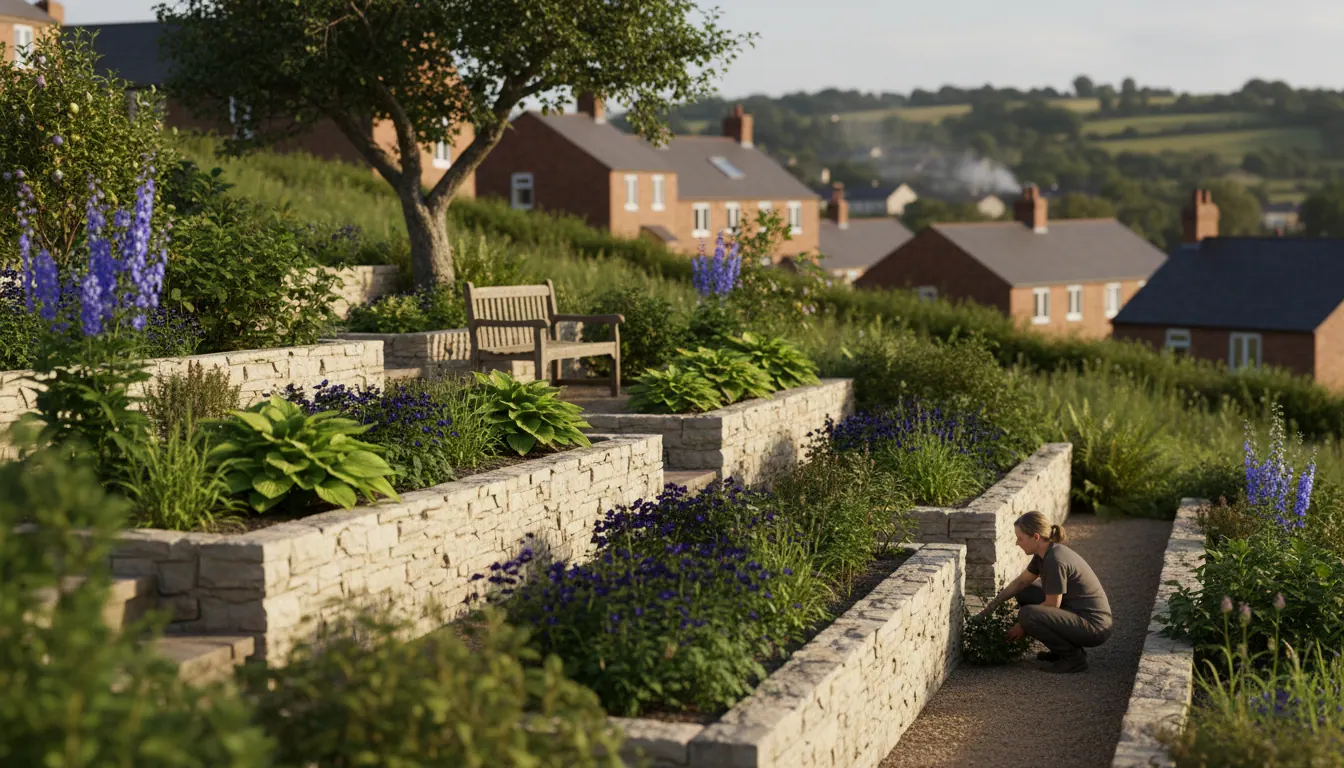
Garden walls and raised beds alongside an artificial lawn can also transform the overall feel of a space. Raised planted borders give you the greenery and seasonal interest while the main lawn stays low-maintenance. It's a combination that works well in the smaller, more enclosed gardens you find across Wakefield, Batley and Dewsbury.
If you've inherited a neglected garden or you're starting from scratch after a move, it's worth thinking about the whole space rather than just the lawn. We do full garden transformations: levels, drainage, groundwork through to the finished surface. The planning article on when to book a landscaper before spring is a useful read if you're thinking ahead.
Why Preparation Matters More Than the Product
You can buy expensive artificial grass and have it fail within two years. You can buy a mid-range product and have it look excellent after a decade. The difference is almost always in the preparation.
We've been doing this for over 20 years. The standard we hold ourselves to is the same on every job: we don't leave until it's pinpoint perfect. That means the sub-base is compacted properly, the levels are right, the joins are clean and the edges are finished. Every time.
It's not complicated. It's just not something you can rush.
Frequently Asked Questions
What do you put underneath artificial grass?
A properly installed artificial lawn sits on several layers. First, the existing turf and topsoil are stripped out. Then a compacted sub-base of crushed stone goes down to provide stability and drainage. A weed membrane goes over that, followed by a screeded layer of sharp sand or granite dust to give a flat, level surface. The artificial grass is then laid, joined and finished with a kiln-dried sand infill brushed into the pile. Each layer matters. Miss one out and the finished surface will show it.
What are the downsides of artificial grass?
The main ones are heat retention in direct sun, reduced benefit to wildlife compared with real grass, and the fact that it does need occasional brushing and maintenance. It also has a lifespan, unlike a stone wall or paved area. None of these are deal-breakers for most gardens, but they're worth knowing before you decide. We'll always give you an honest view on whether it's the right choice for your specific garden.
Does artificial grass drain properly in heavy West Yorkshire rainfall?
Yes, provided the sub-base is installed correctly. The compacted crushed stone layer beneath the grass allows water to pass through and disperse. In clay-heavy ground, which is common across Wakefield and the surrounding areas, this sub-base is especially important because the clay itself won't drain. The sub-base effectively bypasses that problem. A poorly prepared base will trap water and cause the surface to shift or become waterlogged.
Can artificial grass be installed on a sloping garden?
It can, but the slope needs to be assessed first. Gentle gradients are generally fine. Steeper slopes may need levelling work, terracing or retaining walls before any surface goes down. Laying artificial grass over an unaddressed slope just creates a sloping artificial lawn, which defeats the point. We assess the whole garden before we quote, so you get a clear picture of what the job involves.
Ready to talk about your garden? We offer free quotes across Wakefield, Huddersfield, Barnsley, Dewsbury, Batley, Penistone and the surrounding areas. Call us on 07359 173155 and we'll come and take a look.